Empowering People for a Lifetime of Safer Decisions.
Hazard Recognition Plus™ (HRP ) is a globally recognized hazard recognition training process that helps workers identify, understand, and manage hazards in the flow of work, before they cause harm.
The Original
Energy-Based Thought Process.
Helping you answer some of the following questions!
Why do workers fail to recognize hazards?
How do we stop people from having incidents?
What is a good safe job planning tool for workers?
How do you train people to identify hazards in routine and on-routine work?
Watch the video to learn more.
Michael Fleming - Founder of HRP
What is HRP?
HRP stands for Hazard Recognition Plus™ .
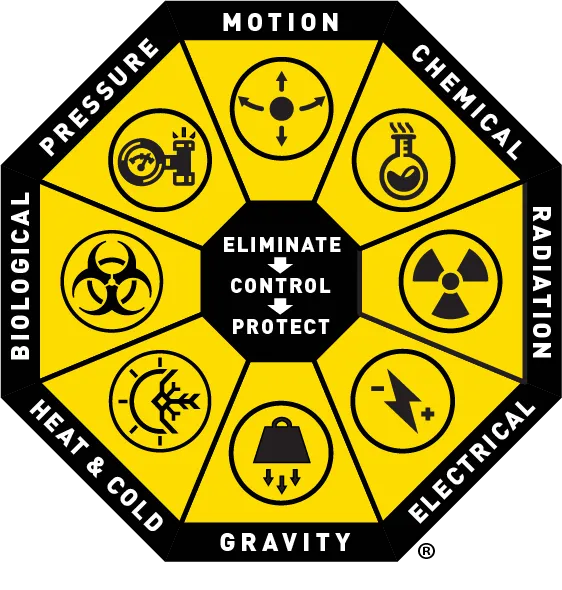
It is an immersive and practical thought process training that uses a proven energy-based safety methodology to simplify how people see risks from energy sources such as electrical, chemical, motion, and gravity.
This approach creates a common language of hazards, simplifying the job planning process by making safety conversations clear, consistent, and effective across all levels of an organization.
The "Plus" in HRP
The “Plus” in HRP goes beyond just spotting hazards.
It's a learning pathway that develops leadership, communication, and coaching skills so teams can communicate better, plan safer work, make confident decisions, and build a stronger safety culture.
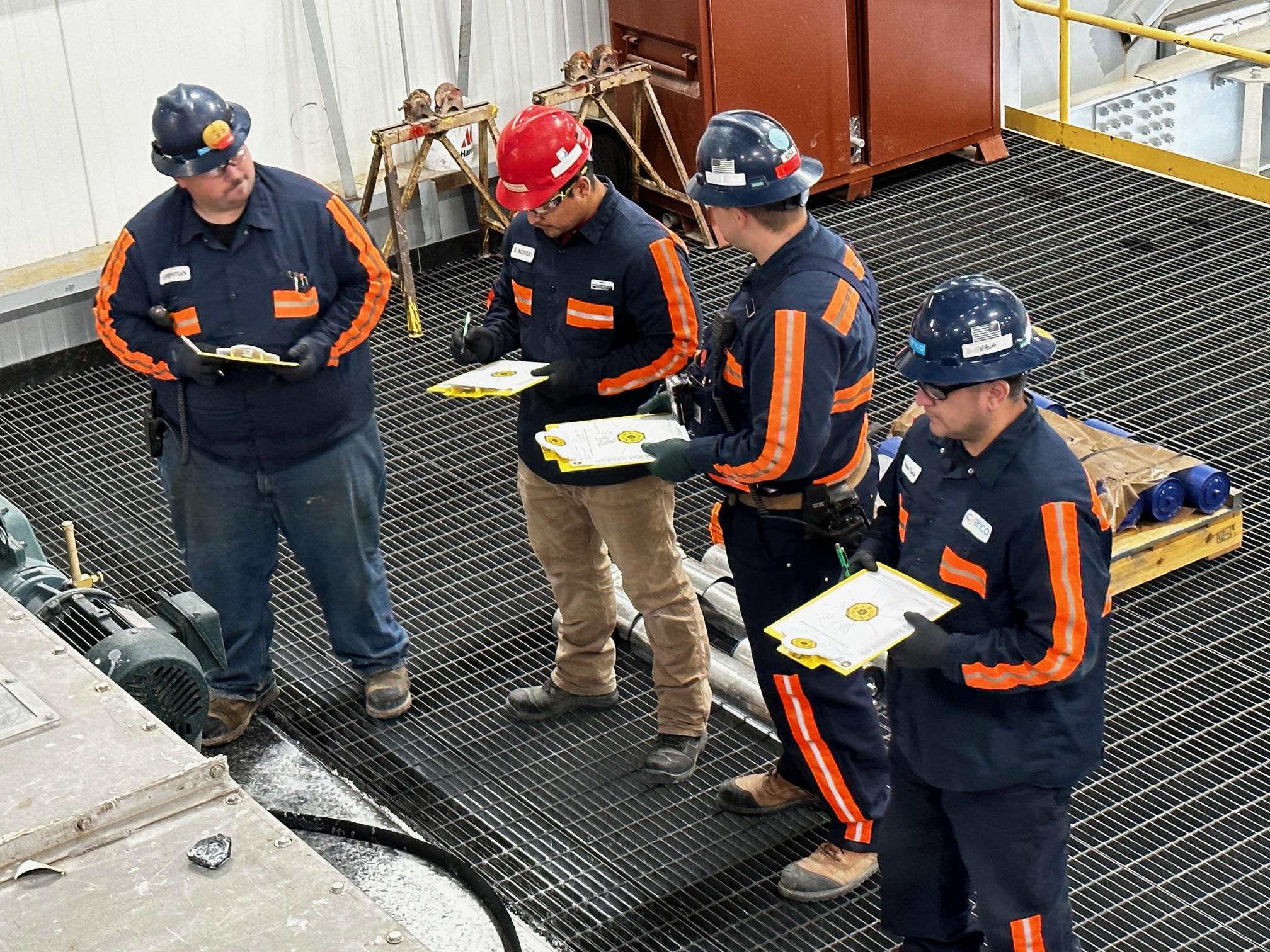
HRP in action — teams applying the energy-based hazard recognition method on-site
Over 30 Years of Proven Results
For more than 30 years, HRP has been delivered in over 20 countries and across industries including oil and gas, chemical, construction, transportation, utilities, and manufacturing.
What makes HRP stand out is its seamless fit across Operations, Maintenance, Construction, HSE, and every function that impacts safety.
By breaking down silos, HRP helps create a unified culture of awareness—helping your people protect themselves, their coworkers, and even their families outside of work.
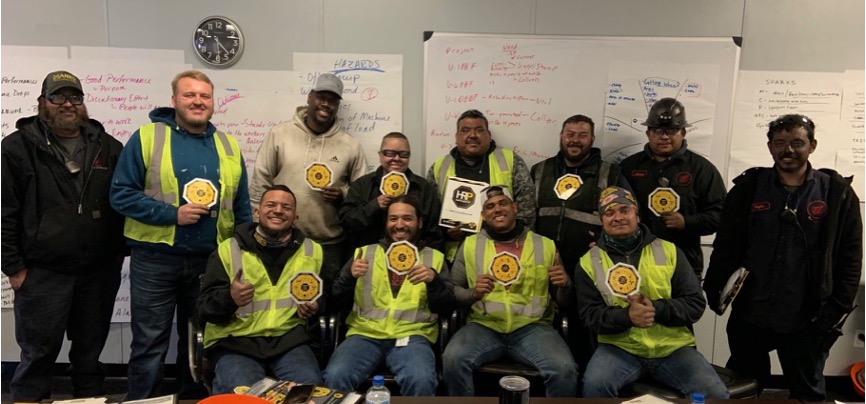
Team showing their HRP workshop results
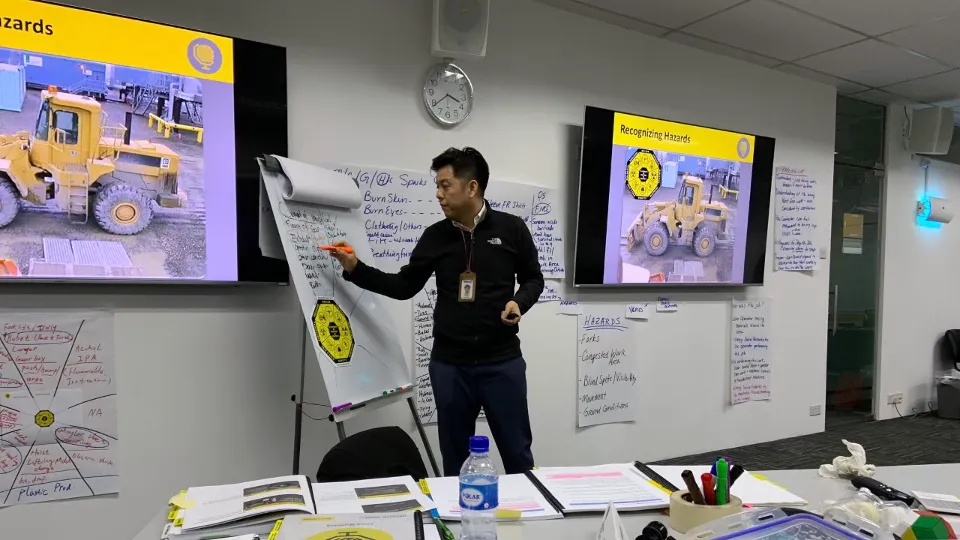
HRP workshop - learning energy-based hazard recognition
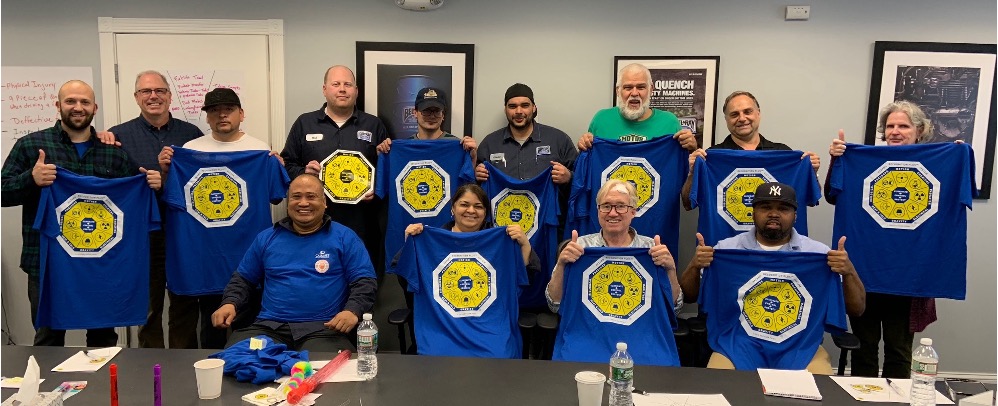
Celebrating HRP success across their organisation
Trusted by leading organizations around the world












Built for Everyday Safety Conversations
HRP is used every day in job planning, toolbox talks, hazard identification, risk assessments, job performance, incident investigations, and safety leadership endeavors.
Not a Checklist. Not a Program
HRP is not a checklist, not a program, nor a compliance tick-box. It is a practical, worker-focused health, safety, and environmental thought process that reduces incidents, improves job planning, and empowers people to make safe decisions at work and at home.
Empowering People for a Lifetime of Safer Decisions
Talk to a specialist, today.
(C) 2025 HSE Global, Inc